
Artist
Moby
Electronic / Downtempo / Ambient Pop · United States · 1989
research in progress
Publication Status
Catalog profile, not a published estimate
This page is excluded from search indexing and advertising until its sources, model inputs, author, review date, and limitations meet the editorial policy.
Catalog profile
What is documented on this Moby profile?
Moby is a catalog research profile. Its claims and any model inputs are being reviewed before the page can be published as an editorial case study.
Takeaway: Use this page for basic catalog navigation and public career context. It is not published as an independently evidenced earnings claim.
This entry records basic catalog information. It does not publish an earnings analysis until the underlying evidence and editorial record are complete.
What stands out
- Catalog research profile; not a published editorial case study.
- Active since 1989.
- Catalog genre listed as Electronic / Downtempo / Ambient Pop.
- See the editorial policy for the publication standard.
What is still needed
- Page-specific public sources.
- Visible model inputs and limitations.
- A named author and review date.
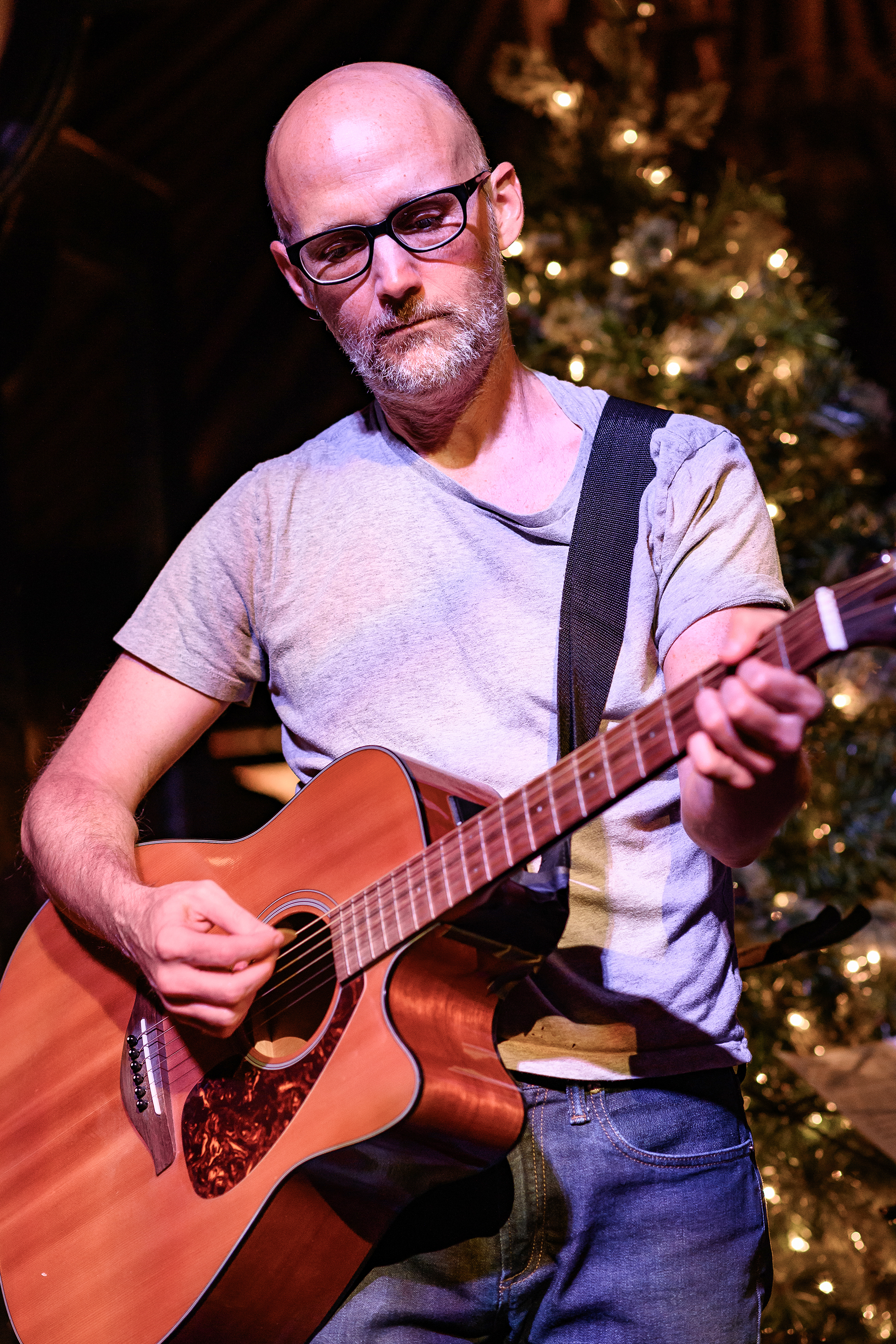
Moby is listed as a catalog research record: Electronic / Downtempo / Ambient Pop · United States · active since 1989.
Artist image source: Wikimedia Commons