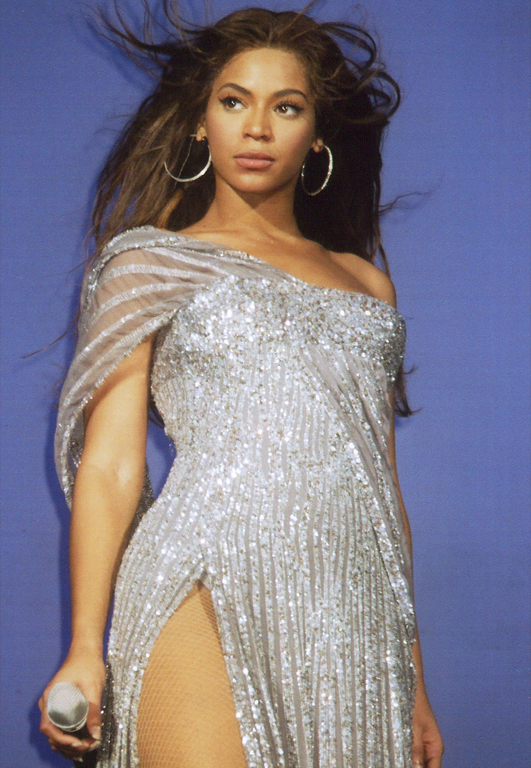
Artist
Beyonce
Pop / R&B · United States · 1997
high confidence
artist-side split is modeled + gross catalog revenue is separated. Why?
The primary figure is the modeled artist-side or estate-side annual cut, not gross catalog revenue.
Beyonce combines touring, catalog performance, and premium brand power into one of pop's strongest earning profiles.
Artist image source: Wikimedia Commons
Short Answer
How much money does Beyonce make?
Beyonce is modeled at $17M-$44M/year per year on the artist side, with gross catalog revenue and ownership context separated below.
Takeaway: Beyonce works as a durable earnings page because the artist-side estimate, ownership context, and gross catalog framing can all be separated cleanly.
Beyonce is modeled at $17M-$44M/year per year on the artist side, with catalog, label, publishing, and writer economics separated where possible.
Did You Know?
- Currently ranks around the top 2% of tracked artists by modeled artist-side earnings
- Active since 1997 and still commercially relevant roughly 29 years later
- 3 tracked top songs currently support this page
- Pop / R&B remains the clearest genre lane for this catalog
- high confidence estimate
Why This Catalog Still Works
- Catalog streaming sustains earnings after the original release cycle ends.
- Playlist use and rediscovery keep durable songs in circulation.
- Licensing and long-tail audience demand extend catalog value over time.
Beyonce sits in the top 2% of tracked artists on the site by modeled artist-side earnings.
How It Compares
Beyonce is compared against nearby artists in the catalog based on genre, country, era, and modeled earnings range.
Revenue Breakdown
Bars reflect modeled annual midpoint ranges, not audited royalty statements.
More Questions About Beyonce
How much does Beyonce make in a year?
Beyonce is modeled at $17M-$44M/year per year on the artist side, with gross catalog revenue and ownership context separated below.
Why does Beyonce still make money?
Catalog streaming sustains earnings after the original release cycle ends. Playlist use and rediscovery keep durable songs in circulation. Licensing and long-tail audience demand extend catalog value over time.
Who controls Beyonce's catalog?
Artist-side share is directional because exact master and publishing contracts are not public.
Sources and References
These notes and links explain the public context used to frame the page. They support a directional model, not an audited royalty statement.
Published by How Much Music using the site methodology. If a source or estimate needs correction, use the contact page.
Evidence used
Editorial context
Methodology limits
Break My Soul: Spotify reference
Used as a public Spotify lookup reference for track identity.
Break My Soul: YouTube Music reference
Used as a public listening-platform reference for the song.
Crazy in Love: Spotify reference
Used as a public Spotify lookup reference for track identity.
Crazy in Love: YouTube Music reference
Used as a public listening-platform reference for the song.
Halo: Spotify reference
Used as a public Spotify lookup reference for track identity.
Halo: YouTube Music reference
Used as a public listening-platform reference for the song.
Show ownership and assumptions
Artist-side share is directional because exact master and publishing contracts are not public.
Supporting Revenue Context
Assumptions: Modeled from global streaming scale, album catalog depth, touring halo, songwriter participation, and premium licensing value.
Ownership and Catalog Status
Notes: Artist-side share is directional because exact master and publishing contracts are not public.
Split-aware estimate
The primary figure is the modeled artist-side or estate-side annual cut, not gross catalog revenue.
More Context
Related Artists
Key Career Highlights
Editorial Insight
Beyonce's page is strongest when read as a split-aware catalog model: the useful number is not just gross demand, but how much of that demand can plausibly reach the artist side.