Artist

Jay-Z

Hip-Hop · United States · 1996

high confidence

artist-side split is modeled + gross catalog revenue is separated. Why?

The primary figure is the modeled artist-side or estate-side annual cut, not gross catalog revenue.

Modeled artist-side range $11M-$33M/year
Gross catalog revenue $26M-$78M/year
Ownership context Included below
Last updated May 26, 2026
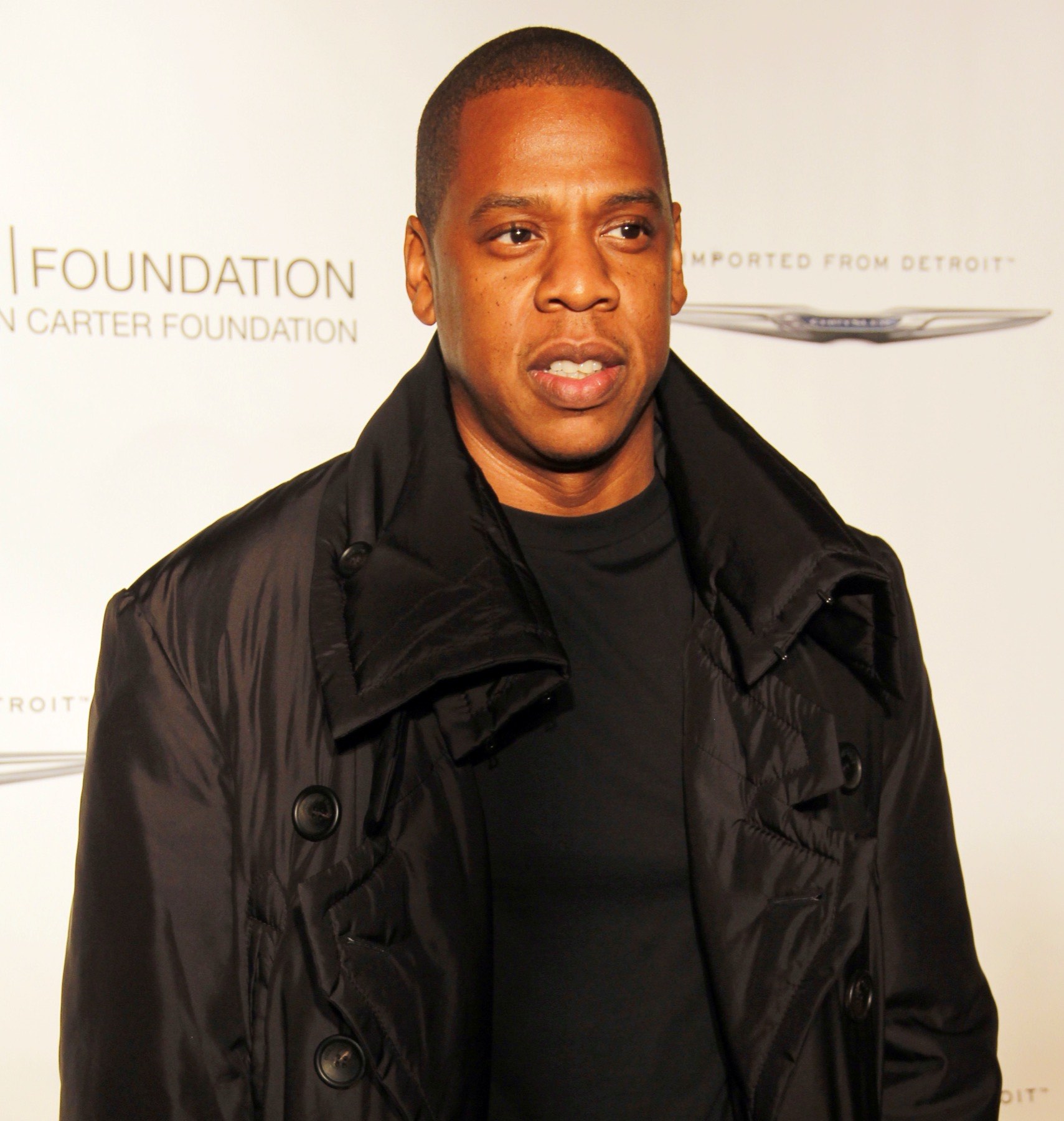
Jay-Z in 2011

Jay-Z built one of rap's most durable catalogs while also turning publishing, ownership, and business leverage into a core part of his long-term earnings story.

Artist image source: Wikimedia Commons

Short Answer

How much money does Jay-Z make?

Jay-Z is modeled at $11M-$33M/year per year on the artist side, with gross catalog revenue and ownership context separated below.

Takeaway: Jay-Z works as a durable earnings page because the artist-side estimate, ownership context, and gross catalog framing can all be separated cleanly.

Yes — estimated $20M-$60M/year.

Did You Know?

  • Currently ranks around the top 6% of tracked artists by modeled artist-side earnings
  • Active since 1996 and still commercially relevant roughly 30 years later
  • 2 tracked top songs currently support this page
  • Hip-Hop remains the clearest genre lane for this catalog
  • high confidence estimate

Why This Catalog Still Works

  • catalog streaming
  • publishing royalties
  • licensing

Jay-Z sits in the top 6% of tracked artists on the site by modeled artist-side earnings.

How It Compares

Jay-Z is compared against nearby artists in the catalog based on genre, country, era, and modeled earnings range.

Artist Why compare Estimated yearly midpoint
Jay-Z
current page
Hip-Hop · United States $22,000,000
Eminem
same country · same era
same country · same era $11,250,000
Snoop Dogg
same country · same era
same country · same era $8,700,000
Timbaland
same country · same era
same country · same era $7,150,000

Revenue Breakdown

Gross catalog revenue $26M-$78M/year
100% of the lead revenue lane
Artist-side share $11M-$33M/year
42% of the lead revenue lane
Label share $6M-$20M/year
25% of the lead revenue lane
Publisher share $3M-$9.6M/year
18% of the lead revenue lane
Writer share $3M-$9.6M/year
18% of the lead revenue lane

Bars reflect modeled annual midpoint ranges, not audited royalty statements.

More Questions About Jay-Z

How much does Jay-Z make in a year?

Jay-Z is modeled at $11M-$33M/year per year on the artist side, with gross catalog revenue and ownership context separated below.

Why does Jay-Z still make money?

catalog streaming publishing royalties licensing

Who controls Jay-Z's catalog?

The range emphasizes retained artist-side economics rather than gross platform revenue.

Sources and References

These notes and links explain the public context used to frame the page. They support a directional model, not an audited royalty statement.

Published by How Much Music using the site methodology. If a source or estimate needs correction, use the contact page.

Evidence used

  • Internal artist data separates gross catalog revenue ($26M-$78M/year) from modeled artist-side share ($11M-$33M/year).
  • Publishing and writer lanes are shown separately where available: publisher $3M-$9.6M/year; writer $3M-$9.6M/year.
  • This page is supported by 2 tracked top songs: 99 Problems, Empire State of Mind.
  • Ownership fields include master context, publishing context, catalog-sale status.
  • Catalog metadata lists genre: Hip-Hop; country: United States; active since: 1996.

Editorial context

  • Empire State of Mind and 99 Problems continue to stream at elite legacy rap scale.
  • Writer and ownership participation can materially improve retained earnings.
  • Catalog recognition and licensing keep his best-known songs commercially active.

Methodology limits

  • The estimate is a modeled annual range, not a public royalty statement from the artist, estate, label, publisher, or distributor.
  • Gross catalog revenue, artist-side share, label share, publisher share, and writer share are separated only where structured split data exists.
  • Top-song links and platform references are public context signals; they are not audited payout disclosures.
  • Catalog sale fields are included only where present in the local data; absence of a sale adjustment does not prove no transaction exists.
Show ownership and assumptions

The range emphasizes retained artist-side economics rather than gross platform revenue.

Supporting Revenue Context

Estimated gross catalog revenue$26M-$78M/year
Estimated artist or estate cut$11M-$33M/year
Estimated label share$6M-$20M/year
Estimated publisher share$3M-$9.6M/year
Estimated writer share$3M-$9.6M/year

Assumptions: Modeled from premium rap catalog demand, publishing participation, ownership leverage, licensing value, and long-tail streaming.

Ownership and Catalog Status

MastersMixed label and artist/business-controlled catalog economics across eras
PublishingPublishing and writer-side participation appear materially important
Catalog sale statusOwnership leverage is treated as a positive retained-value factor, not as a single confirmed sale adjustment

Notes: The range emphasizes retained artist-side economics rather than gross platform revenue.

Split-aware estimate

The primary figure is the modeled artist-side or estate-side annual cut, not gross catalog revenue.

  • Gross catalog revenue is shown separately when enough context exists to distinguish top-line catalog value from artist-side take-home.
  • Ownership notes are available here and can materially change who actually keeps the revenue shown on the page.
  • All figures are conservative annual modeled ranges based on streaming scale, catalog age, licensing usefulness, and known ownership context, not audited royalty statements.

Read the full methodology.

More Context

Related Artists

Key Career Highlights

  • Known for: Catalog ownership, premium rap catalog economics, and crossover business scale.
  • Highlight: His best-known records still stream at elite legacy-catalog scale while his writer and owner participation improves artist-side retention.

Editorial Insight

Ownership plus hit density is how superstar rap catalogs compound over time.