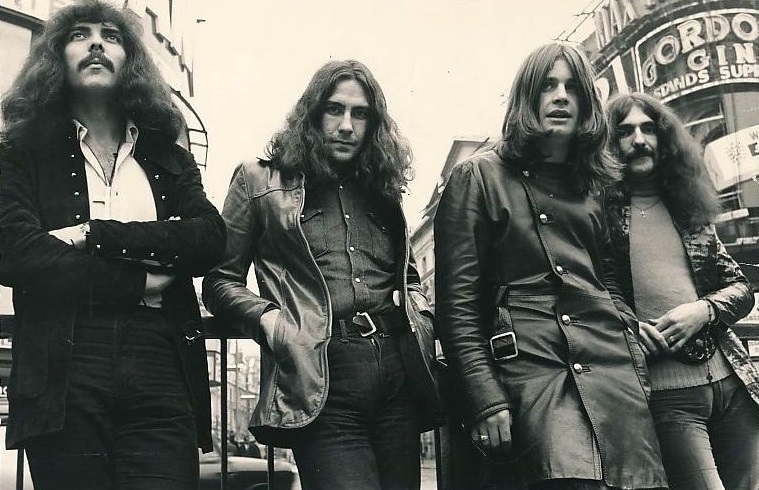
Artist
Black Sabbath
Heavy Metal · United Kingdom · 1968
high confidence
artist-side split is modeled + gross catalog revenue is separated. Why?
The primary figure is the modeled artist-side or estate-side annual cut, not gross catalog revenue.
Black Sabbath has a durable heavy metal catalog that continues to attract listeners through streaming, playlists, and long-tail discovery.
Artist image source: Wikimedia Commons
Short Answer
How much money does Black Sabbath make?
Black Sabbath is modeled at $1.1M-$4.4M/year per year on the artist side, with gross catalog revenue and ownership context separated below.
Takeaway: Black Sabbath works as a durable earnings page because the artist-side estimate, ownership context, and gross catalog framing can all be separated cleanly.
Conservative modeled artist-side annual earnings: $1.1M-$4.4M/year.
Did You Know?
- Currently ranks around the top 51% of tracked artists by modeled artist-side earnings
- Active since 1968 and still commercially relevant roughly 58 years later
- 2 tracked top songs currently support this page
- Heavy Metal remains the clearest genre lane for this catalog
- high confidence estimate
Why This Catalog Still Works
- Classic catalog streaming keeps major songs active well beyond the original release cycle.
- Playlist longevity and generational rediscovery support steady long-tail listening.
- Film, television, sports, and trailer usage can reactivate demand for familiar recordings.
Black Sabbath sits in the top 51% of tracked artists on the site by modeled artist-side earnings.
How It Compares
Black Sabbath is compared against nearby artists in the catalog based on genre, country, era, and modeled earnings range.
Revenue Breakdown
Bars reflect modeled annual midpoint ranges, not audited royalty statements.
More Questions About Black Sabbath
How much does Black Sabbath make in a year?
Black Sabbath is modeled at $1.1M-$4.4M/year per year on the artist side, with gross catalog revenue and ownership context separated below.
Why does Black Sabbath still make money?
Classic catalog streaming keeps major songs active well beyond the original release cycle. Playlist longevity and generational rediscovery support steady long-tail listening. Film, television, sports, and trailer usage can reactivate demand for familiar recordings.
Who controls Black Sabbath's catalog?
Black Sabbath's page should be read as modeled artist-side annual income, not a public royalty statement. Ownership and label terms can materially change take-home economics.
Show ownership and assumptions
Black Sabbath's page should be read as modeled artist-side annual income, not a public royalty statement. Ownership and label terms can materially change take-home economics.
Supporting Revenue Context
Assumptions: Estimate keeps Black Sabbath's current headline range as the artist-side figure and models gross catalog, label, publishing, and writer lanes from that conservative annual range.
Ownership and Catalog Status
Notes: Black Sabbath's page should be read as modeled artist-side annual income, not a public royalty statement. Ownership and label terms can materially change take-home economics.
Split-aware estimate
The primary figure is the modeled artist-side or estate-side annual cut, not gross catalog revenue.
More Context
Related Artists
Key Career Highlights
Editorial Insight
Songs like Paranoid and Iron Man still help define the catalog's long-tail earnings profile.